85
Overall Score
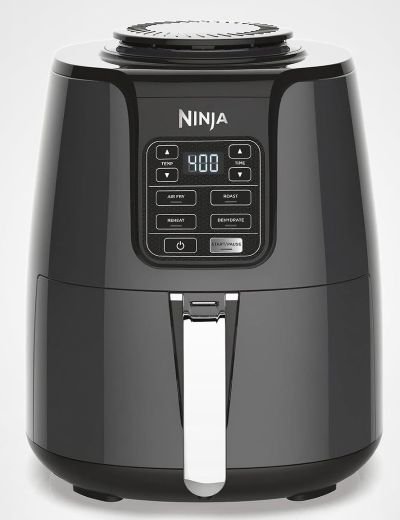
The Ninja AF101 Air Fryer is a reliable “daily driver” for small households. It’s quick, simple to use, and delivers consistently crispy results for fries, wings, and frozen food—as long as you don’t overload the basket. The wide 105°F–400°F range also makes Dehydrate genuinely useful. The main trade-offs are batch cooking for families, slower browning vs 450°F models, and the usual long-term nonstick care.
Pros
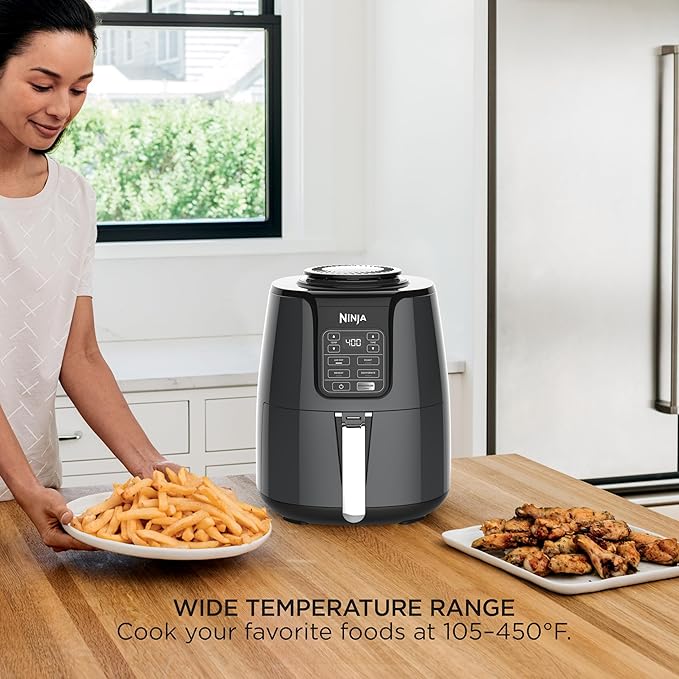
- Wide temperature range (105°F–400°F) for crisping + dehydrating.
- 4-qt basket can fit up to ~2 lb of fries (best in a single layer).
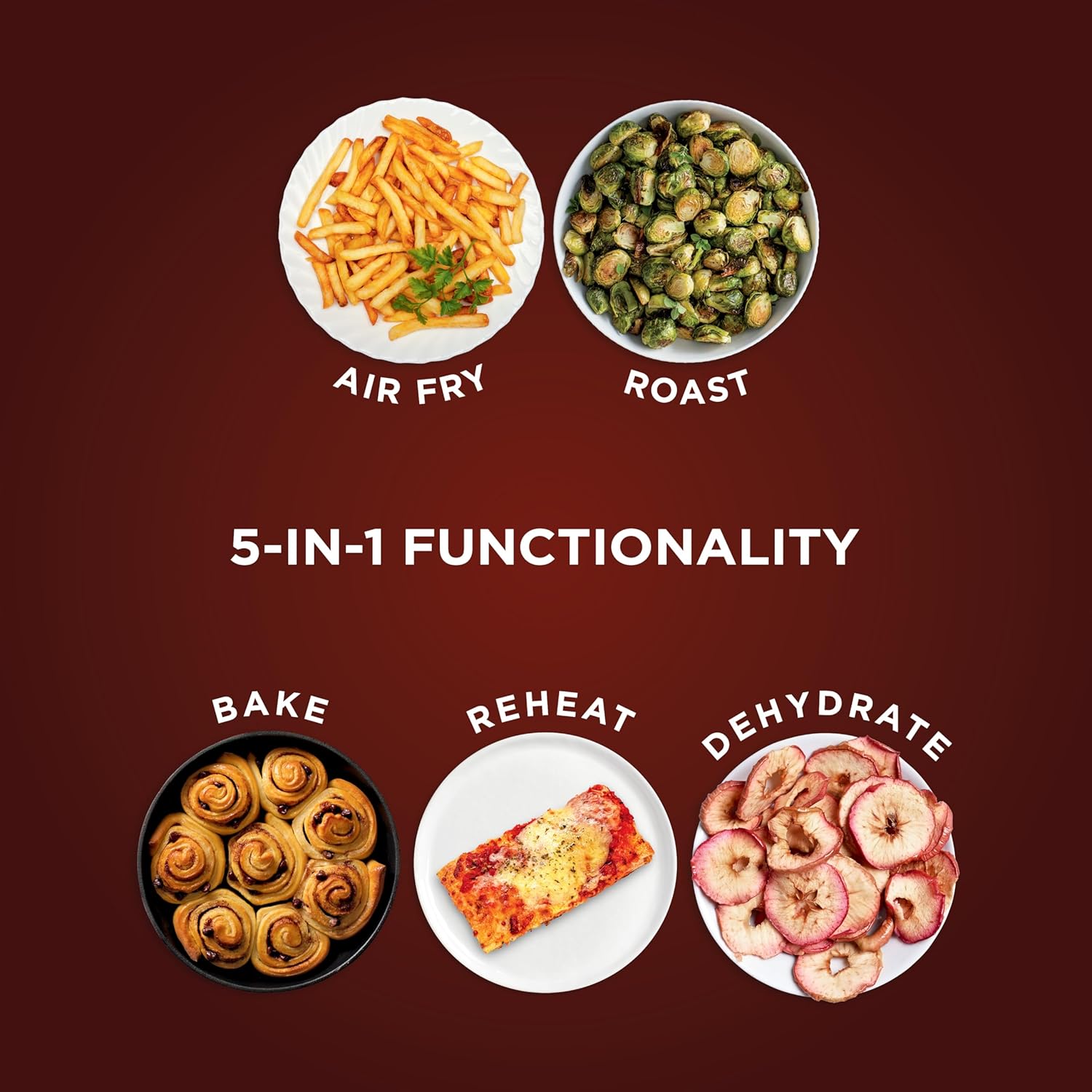
- Simple 4-in-1 modes: Air Fry, Roast, Reheat, Dehydrate.
- Compact footprint that fits most countertops.
Cons
- Capacity is best for 1–2 people (families often need batches).
- 400°F max means slower browning vs newer 450°F models.
- Overloading hurts crispiness fast—airflow matters.
- Nonstick lifespan depends on gentle cleaning habits.
85
Cooking Performance
For a 4-quart basket air fryer, the AF101 delivers reliable crispiness—especially for fries, wings, and frozen snacks—when you treat the basket like a “single layer zone.” Shaking mid-cook helps small foods, and preheating can improve browning. Thicker meats still cook well, but the finish won’t be as fast or as aggressive as higher-temp models.
Pros
- Very good results for fries, nuggets, wings, and frozen foods.
- Predictable output once you learn basket loading.
- Roast/Reheat work well for vegetables and leftovers.
Cons
- Overloading reduces airflow and adds time.
- Small foods still benefit from shaking mid-cook.
86
Cooking Versatility
AF101 focuses on the modes people actually use: Air Fry, Roast, Reheat, and Dehydrate. The standout is the low-temp end (105°F), which makes dehydration practical for jerky and fruit chips. The trade-off is the 400°F max, which is fine for most foods but not as punchy for quick browning as 450°F models.
Pros
- 4 useful modes that cover most real-life cooking.
- 105°F low temp makes Dehydrate more than a gimmick.
- Good for snacks, sides, and quick proteins.
Cons
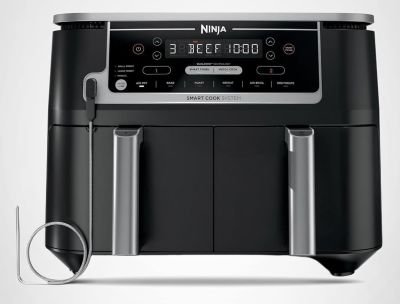
- No Bake/Broil or smart features found on newer models.
- 400°F max limits fast “hard finish” browning.
84
Cleaning
Cleaning is easy if you stay consistent. The basket and crisper plate wipe clean quickly, and dishwasher-safe parts are convenient—but hand washing is the safer long-term move for nonstick durability. The key is preventing grease buildup, which can lead to smell or smoke over time.
Pros
- Quick cleanup with warm water and a soft sponge.
- Dishwasher-safe parts add convenience.
- Nonstick releases grease easily when maintained.
Cons
- Grease buildup can cause smell/smoke if ignored.
- Frequent dishwasher use may shorten coating lifespan.
82
Common Problems
Most “problems” with the AF101 come down to airflow and residue: overcrowding leads to uneven crisp, and grease buildup can cause smoke or odor. The good news is that these are usually fixable with small routine changes.
Pros
- Uneven crisping is usually solved by spacing + shaking.
- Smoke/odor issues are often fixed by cleaning grease residue.
- Reliable performance once the workflow is dialed in.
Cons
- Overloading is the #1 cause of disappointment.
- Neglected cleaning can lead to smoke during high-heat cooks.
87
Value for Money
AF101 is a smart buy if you want a compact, dependable air fryer for 1–2 people (or you don’t mind batches). It’s less “worth it” if you want one-and-done family meals, dual baskets, or faster browning from 450°F models.
Pros
- Strong value for small households and everyday air frying.
- Wide temp range + Dehydrate in a compact unit.
- Often priced well vs larger/newer models.
Cons
- Families may outgrow the capacity quickly.
- If you want faster browning/advanced features, you’ll upgrade.